In this article
Coco coir has become one of the most popular substrates for commercial cannabis, and for good reason. It holds water well, stays open for air and is easy to steer with irrigation. It also has fertigation requirements that are different from other soilless substrates, so the nutrient line you choose matters.
Here is what to look at when you compare nutrients for coco.
Nutrients for Coco Coir
A good coco nutrient is not just a general hydroponic formula with a new label. It should be built around the way coir holds and releases elements, especially calcium and magnesium. Before you commit to a brand, read the label closely.
Guaranteed Analysis
The guaranteed analysis lists the concentration of each macro and micro element in the product. It tells you how much nitrogen, phosphorus, potassium, calcium, magnesium and trace elements you are actually buying.
Lower percentages mean you need to use more product to reach the same target in your nutrient solution. That has a direct effect on cost per feed, storage space and freight, so compare products on what they deliver, not just on price per bottle.
Ingredients
The “derived from” section of the label shows where the nutrients come from, and it is one of the best indicators of quality. Clean, fully soluble mineral sources are the safest choice for drip irrigation.
Be careful with organic additives such as kelp, humic acid and leonardite in irrigation water. They can clog emitters and encourage biofilm and root rot.
If you want the benefits of these additives, consider applying them as a foliar spray instead of running them through your drip lines.
How Many Parts?
Most coco nutrients come as a two-part system:
- Part A usually carries the phosphates and sulfates.
- Part B usually carries the nitrates and calcium.
They are separated for a reason. If the concentrates are mixed together, calcium can react with phosphates and sulfates and precipitate out of solution, leaving it unavailable to the plant and creating sediment in tanks and lines. Always add each part to the water separately and follow the mixing instructions exactly.
Moving Towards the Future
Coco has a high cation exchange capacity, which means it holds on to positively charged elements such as calcium. In practice this raises calcium demand, particularly early in the crop.
Experienced coir growers often run slightly higher calcium nitrate levels and test the substrate, the leachate and plant tissue regularly to keep the program on target. Many cannabis nutrient brands have followed the same path, moving to simple two or three part formulas adjusted specifically for coco.
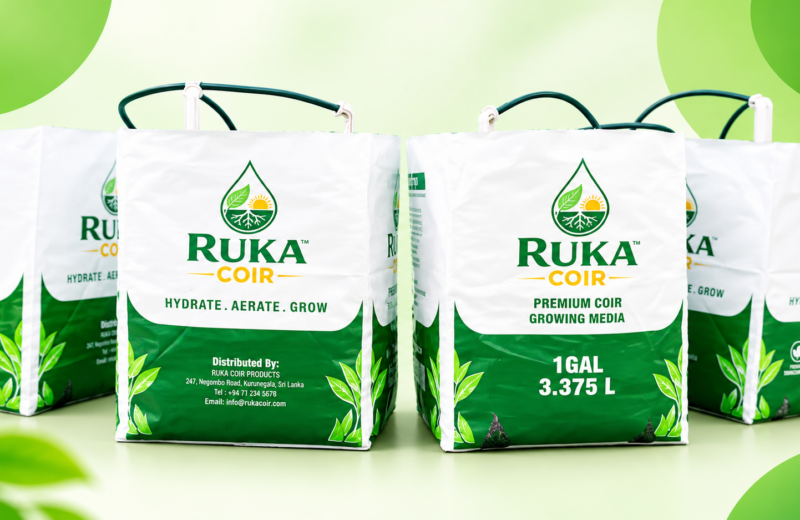
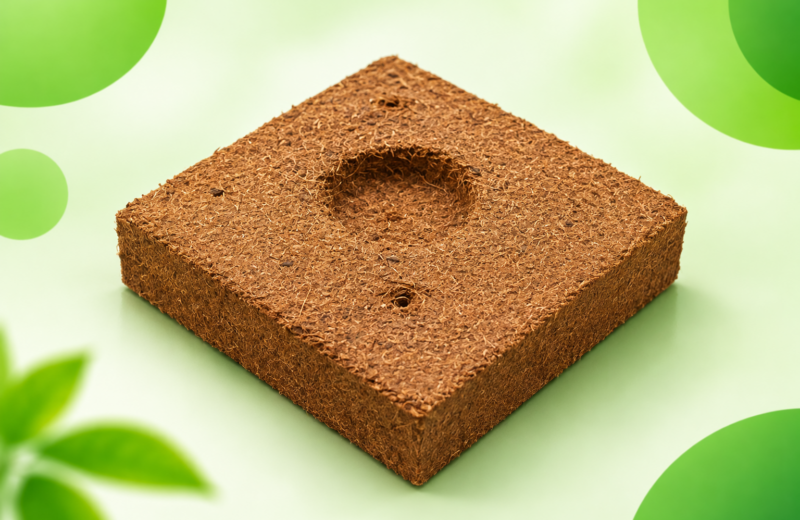
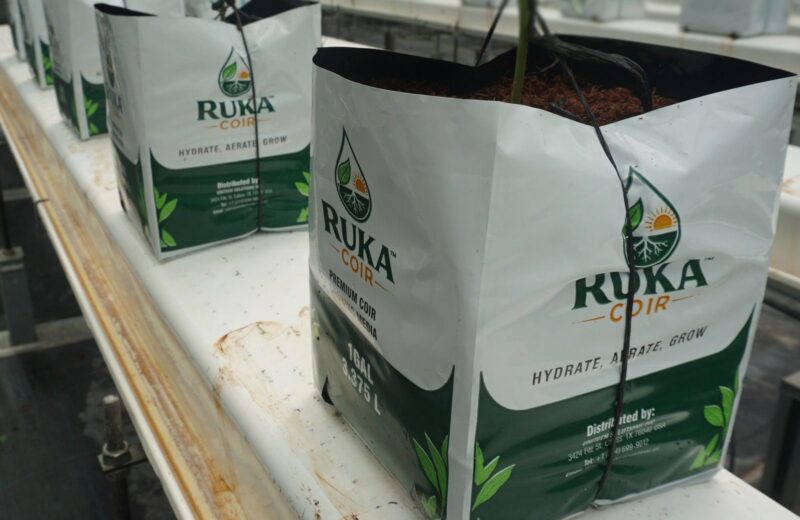
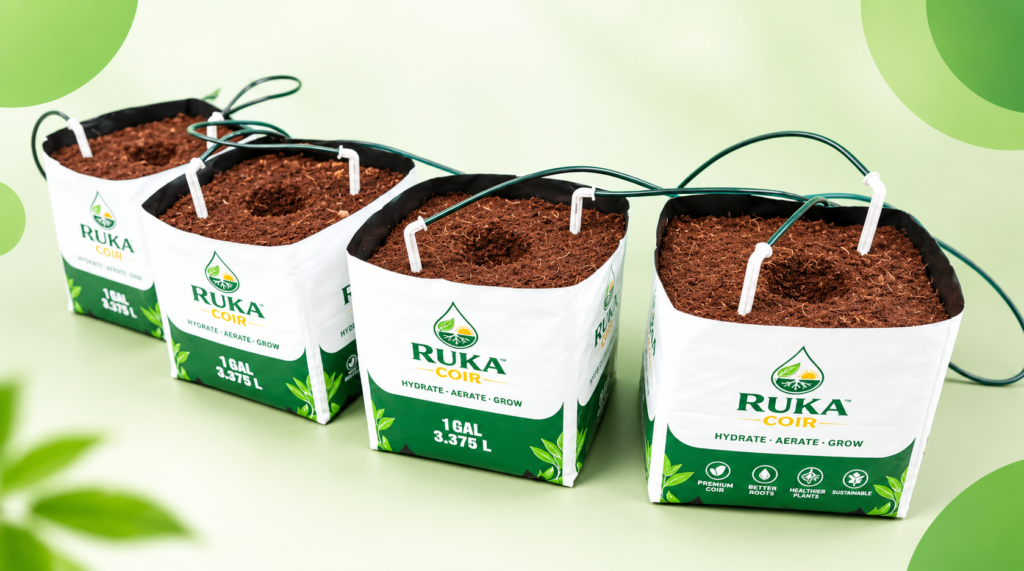
Start with a clean, low-EC substrate such as RUKA COIR 1 Gal, choose a nutrient line built for coir, and measure often. That combination gives you a predictable root zone from transplant to harvest.
Need help with your coir program?
Our team can recommend the right substrate and nutrition for your crop and system.