In this article
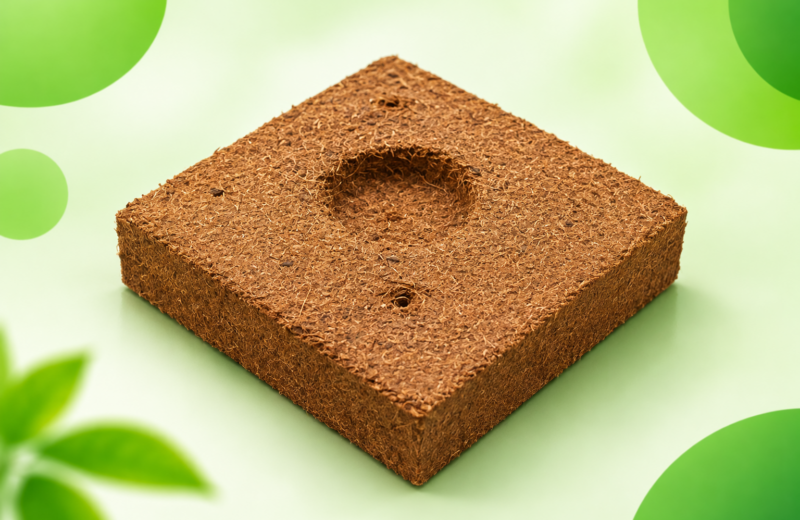
Coco coir is not completely inert. Its fibres carry exchange sites that hold on to positively charged elements, and that chemistry has a real effect on how your plants feed in the first weeks after planting.
Coir Holds On to Elements
Coir has a high cation exchange capacity. Raw coir naturally carries sodium and potassium on these sites. When you start feeding, the substrate can swap those elements for calcium and magnesium from your nutrient solution, holding them back from the roots just when young plants need them most.
What Buffering Does
Buffering pre-loads the exchange sites, typically with calcium and magnesium, so the coir does not strip them from your feed. Combined with thorough washing to lower sodium and EC, it gives you a substrate that releases what you put in rather than taking it away.
Signs the Root Zone Is Short of Calcium
- Slow early root development after transplant
- Deficiency symptoms in new growth despite a correct feed recipe
- Runoff readings that do not match the solution going in
Practical Steps
- Start with clean, washed coir with a low EC.
- Condition the substrate with a calcium and magnesium rich solution before or during hydration.
- Test substrate, leachate and plant tissue regularly in the first weeks.
- Use a nutrient line formulated for coir, which usually carries slightly more calcium.
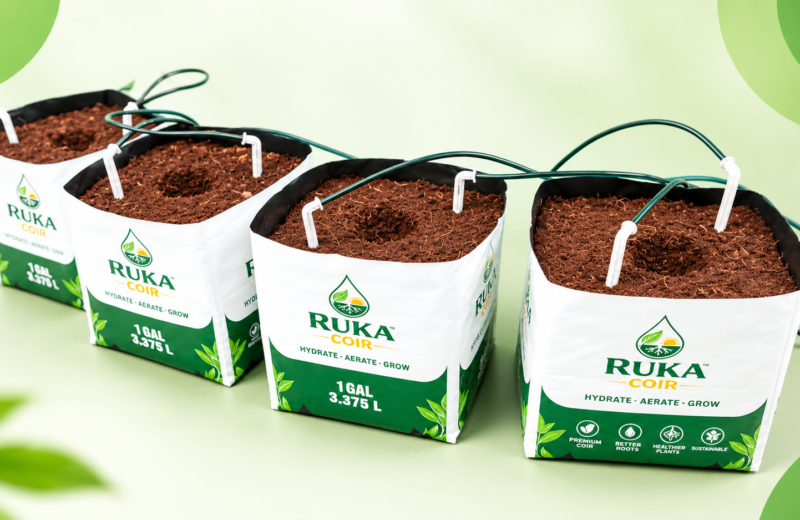
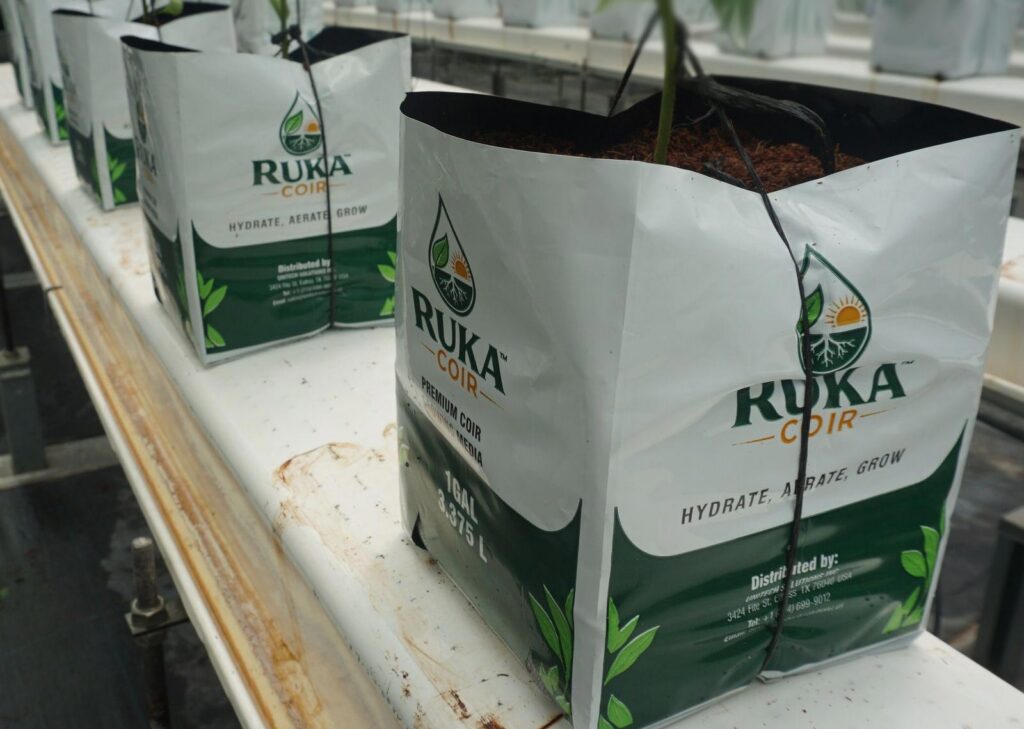
A consistent, triple washed substrate such as RUKA COIR 1 Gal takes much of the guesswork out of this stage. Ask our team about the right conditioning approach for your crop.
Need help with your coir program?
Our team can recommend the right substrate and nutrition for your crop and system.